

On the morning of Sunday November 22, the Israeli army came to the Palestinian Bedouin community of Khirbet Samra and demolished all its structures without any prior notice.
Amongst those affected were Ayman, his brother Dyabe, and their extended family. They are part of a Palestinian Bedouin community in the Jordan Valley. Bedouins are indigenous communities who have traditionally lived as nomadic or semi-nomadic herders across the Middle East, including Palestine whose ties to the land are integral to their way of life.
Israeli bulldozers arrived early on Sunday morning and destroyed dozens of structures including the community’s tents, water tanks and sheep pens, leaving Ayman and Dyabe without shelter and particularly vulnerable to the approaching winter rains. The family had no opportunity to remove their belongings from their tents before the demolition began.
The demolitions came only weeks after residents had rebuilt much of the community following severe flooding in late October.
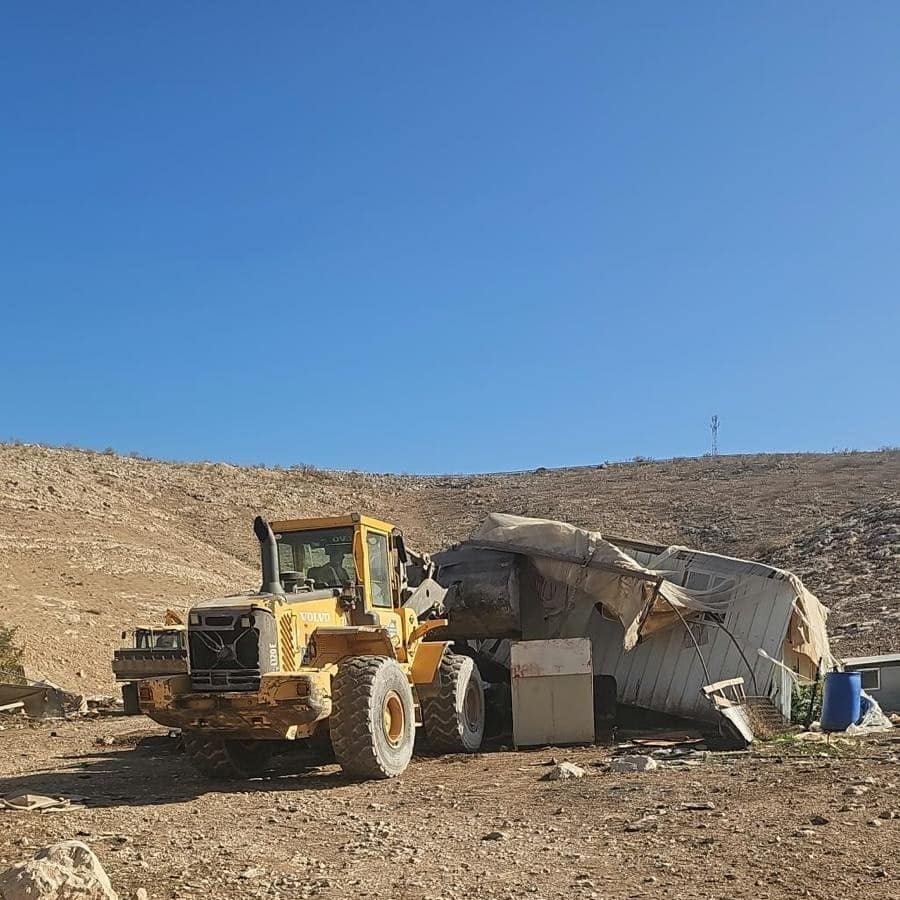
Israeli army bulldozer demolishing a shelter in Khirbet Samra, Jordan Valley, occupied West Bank
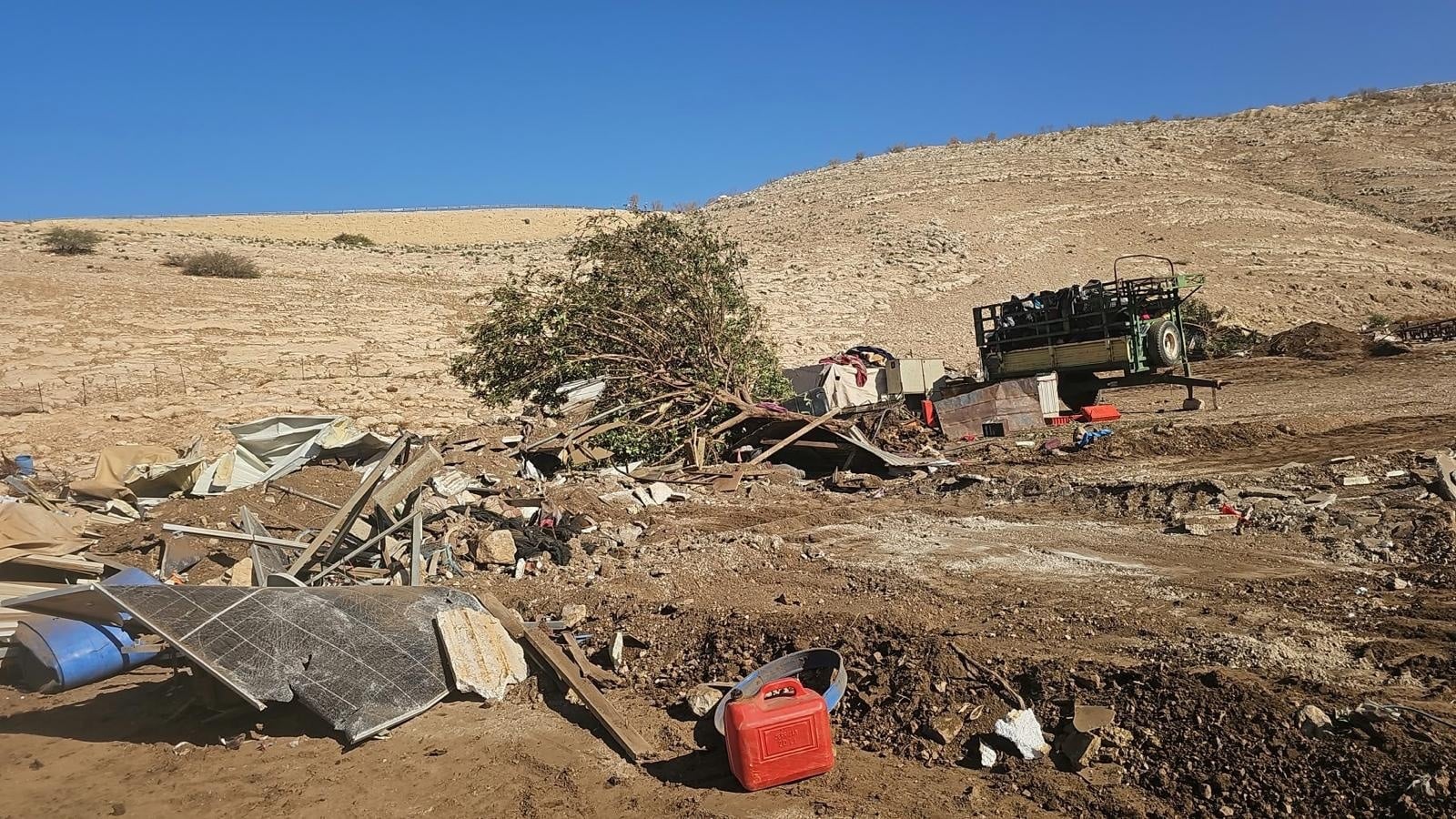
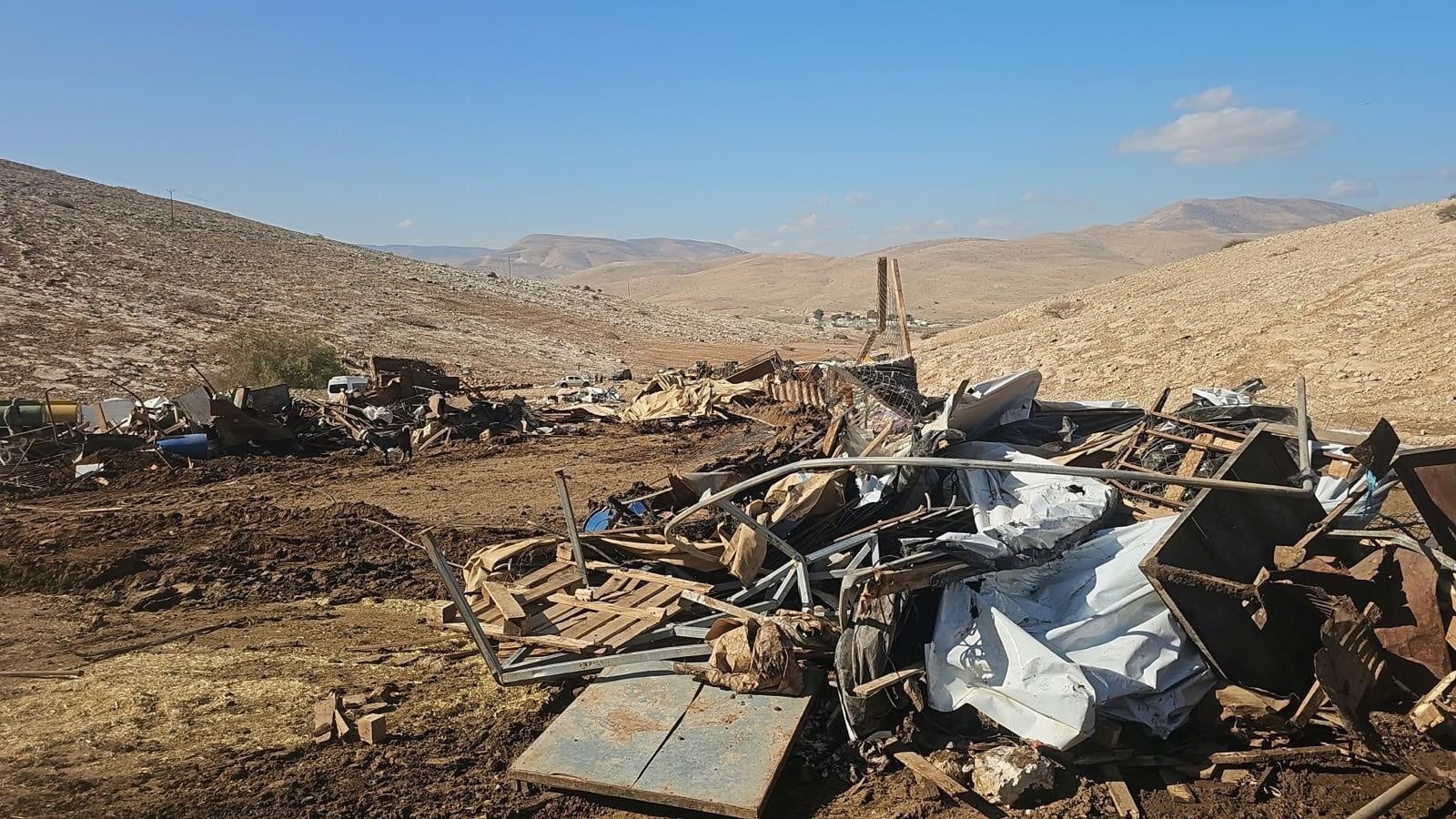
Khirbet Samra after Israeli bulldozers left, Jordan Valley
EAPPI‘s human rights monitors have accompanied this community for many years, documenting human rights violations by both the Israeli army and Israeli settlers. This has created increasing pressure forcing many to leave their land and abandon their ancestral way of life.
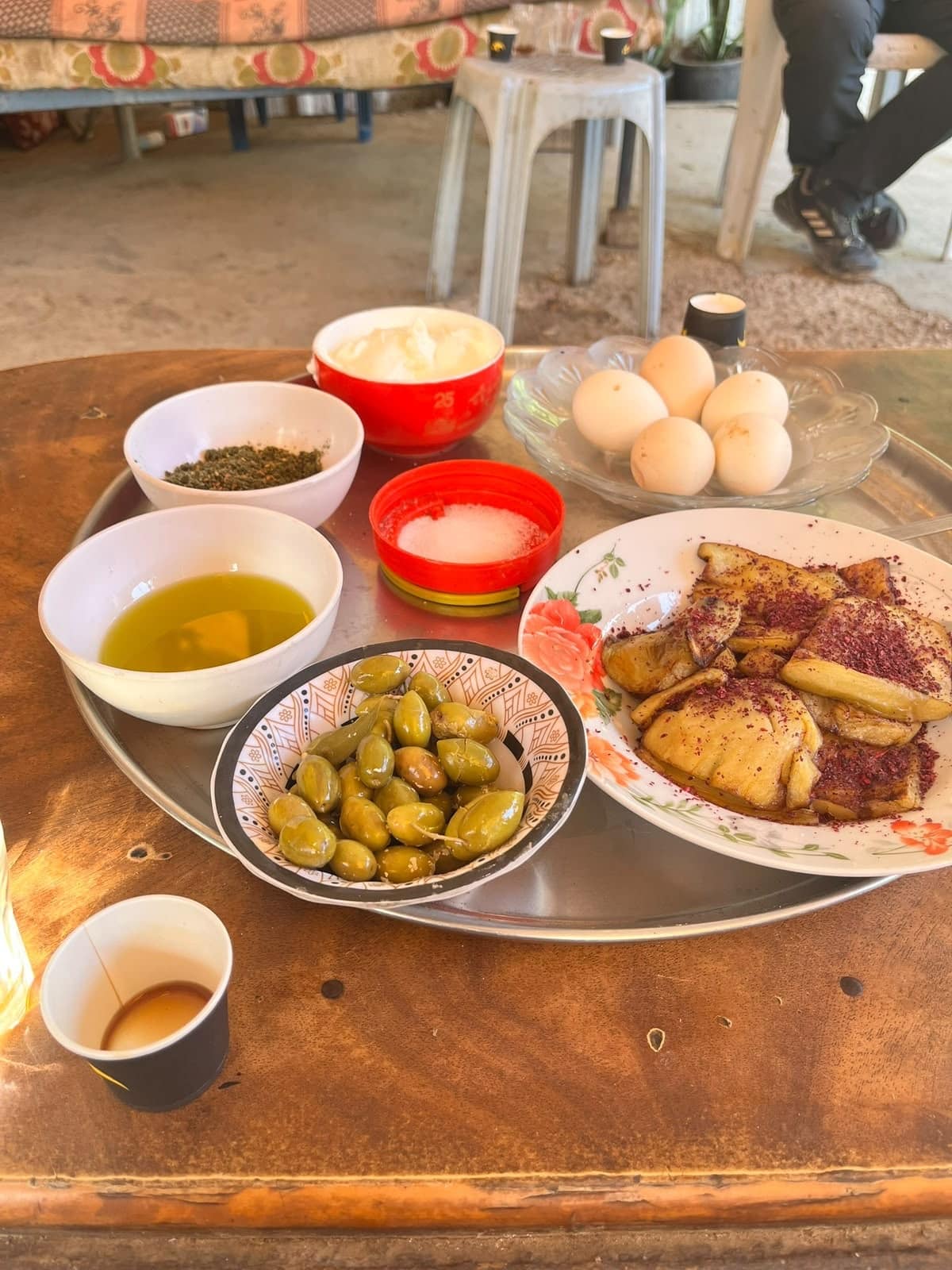
EAs sharing breakfast with community before accompanying the shepherding, Khirbet Samra
Despite everything, Ayman and Dyabe told EAPPI human rights monitors they are steadfast and determined to stay on their land.
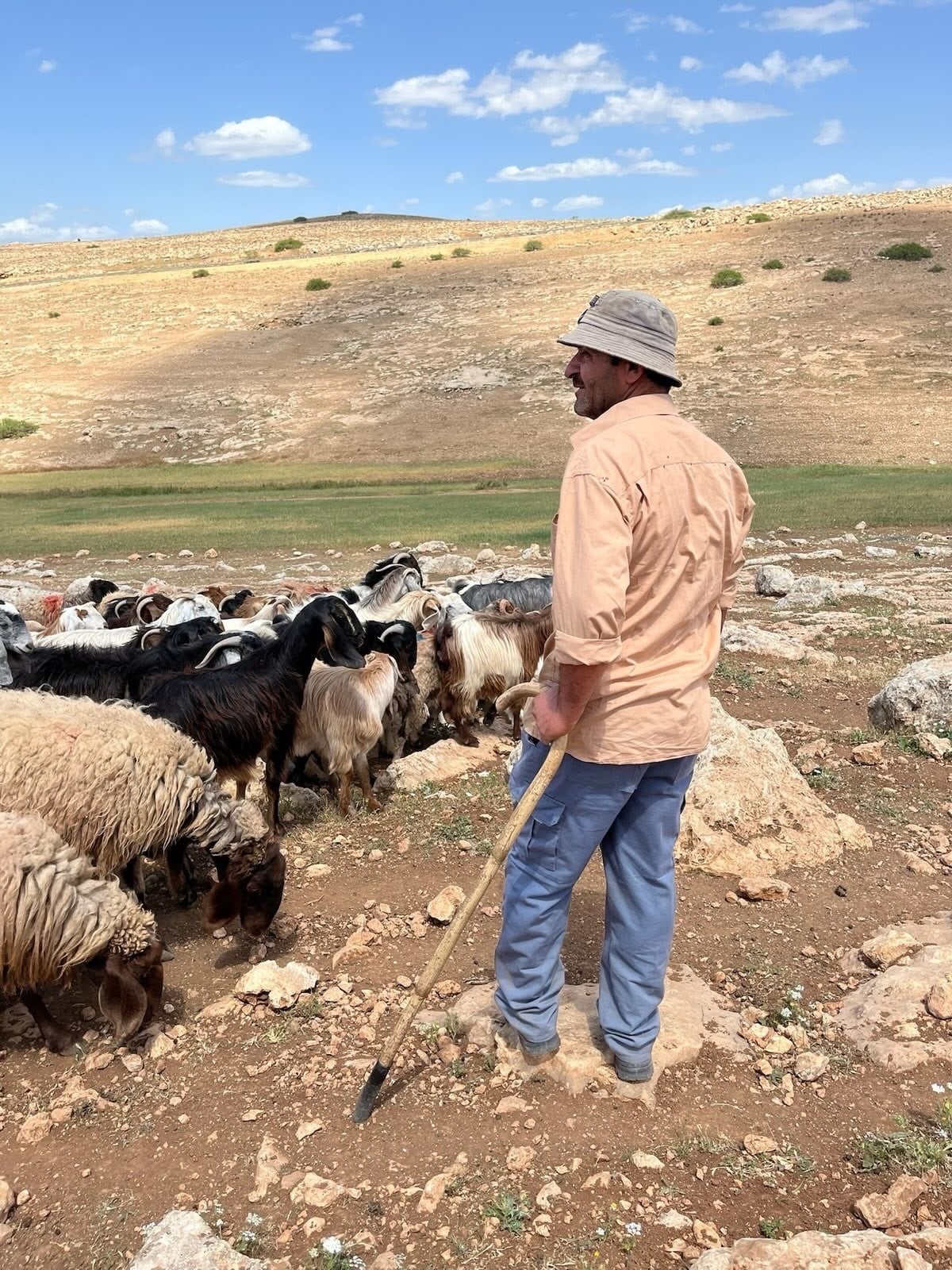
Ayman shepherding, Khirbet Samra
Even before this latest demolition, restrictions and harassment from Israeli authorities and settlers have made life for this community nearly impossible. As a Bedouin, Ayman relies on his livestock for his livelihood, but he told our human rights monitors that Israeli authorities have forbidden him from accessing his land and grazing his sheep. As a result, his sheep have been confined to a pen (now destroyed), forcing him to buy expensive feed and spend vital income he could use to support his family.
Human rights organisations document the wider pattern of forced displacement of Bedouin communities happening across the West Bank:
“117 predominantly Bedouin and herding Palestinian communities in the occupied West Bank that have faced either full or partial displacement due to settler attacks and related access restrictions between January 2023 and April 2026, according to the United Nations. In total, approximately 5,910 people were forced to leave their homes, leaving behind them vast, depopulated areas. Most of the affected communities lie in Area C, which comprises over 60% of the West Bank, and has been central to Israel’s territorial and demographic quest for domination for decades because of its natural resources, vital grazing and agricultural land and small Palestinian population.”
Amnesty International, Israel’s ethnic cleansing of West Bank Bedouin and herding communities, June 2026
We asked our human rights monitors to share some photos of their time in Khirbet Samra: accompanying the community, breaking bread, providing protective presence and listening to their stories. This is what they shared:
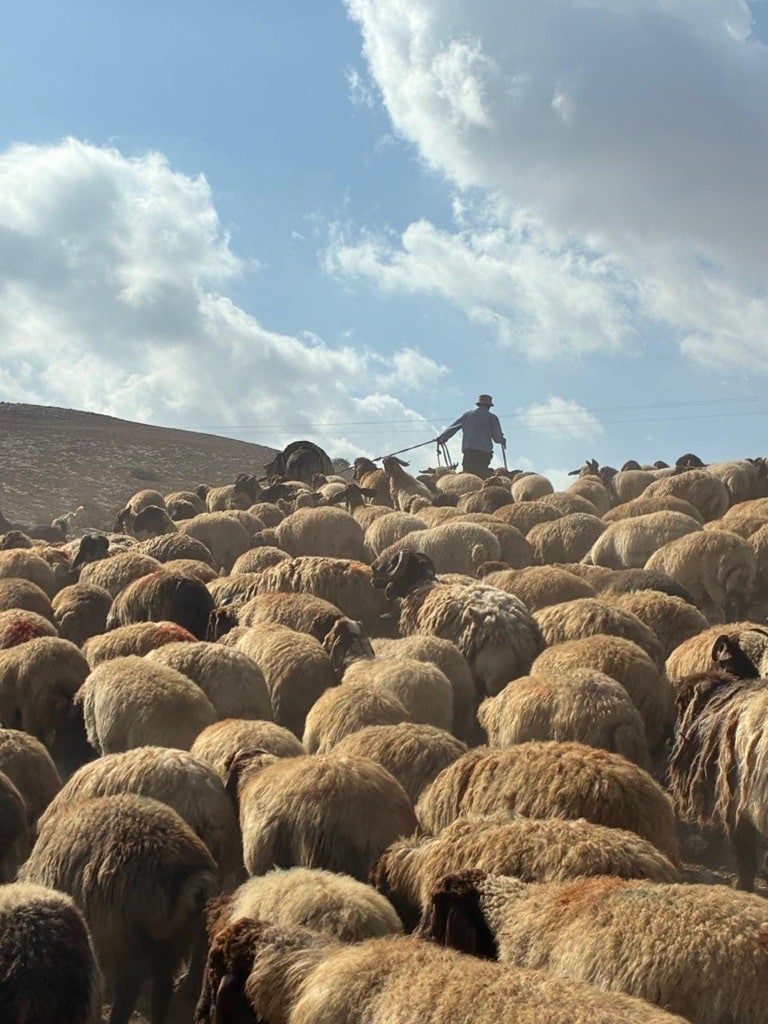
Out with Ayman shepherding (before Israeli army restrictions), Jordan Valley
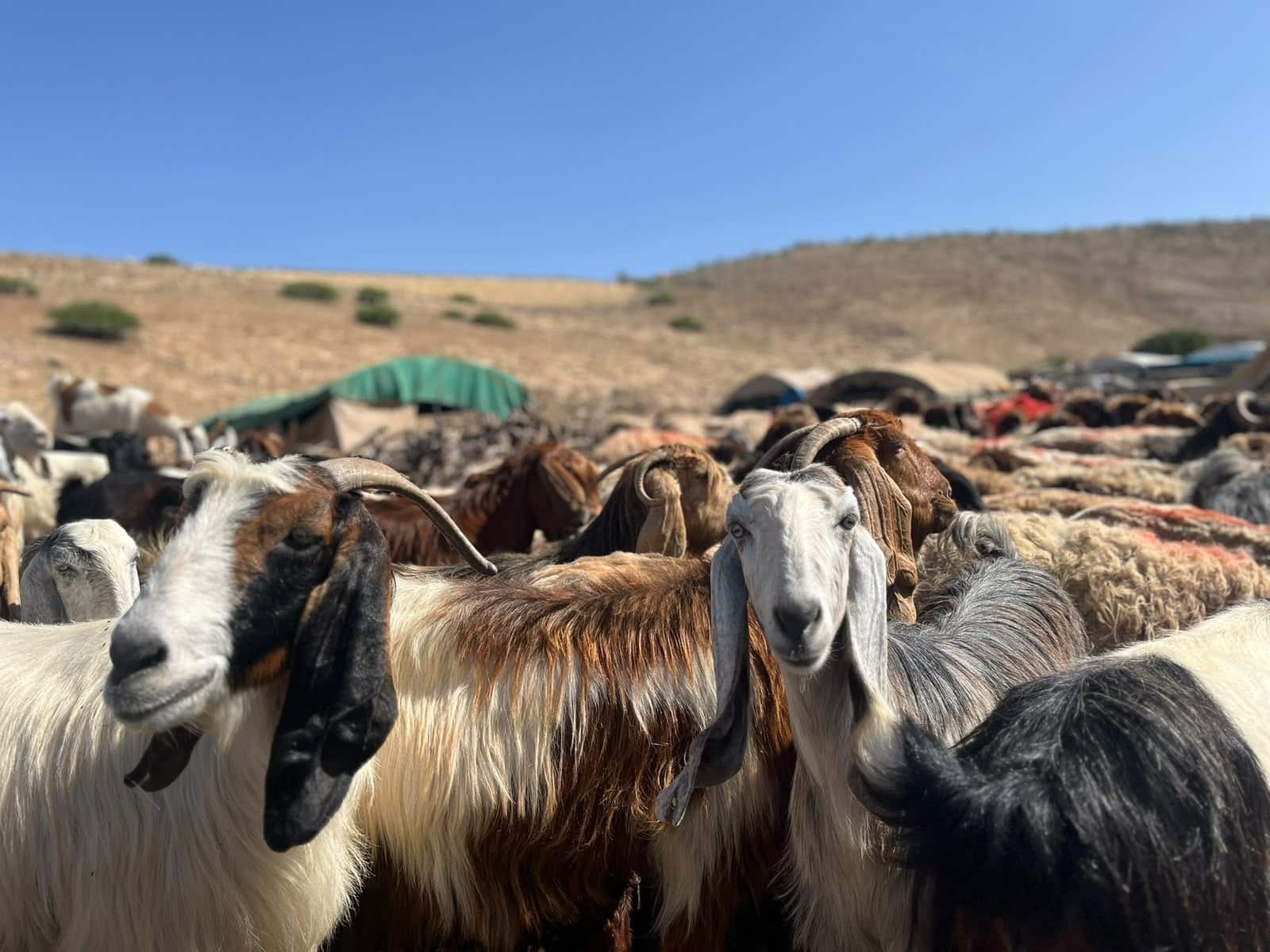
Community’s sheep and goats, Khirbet Samra
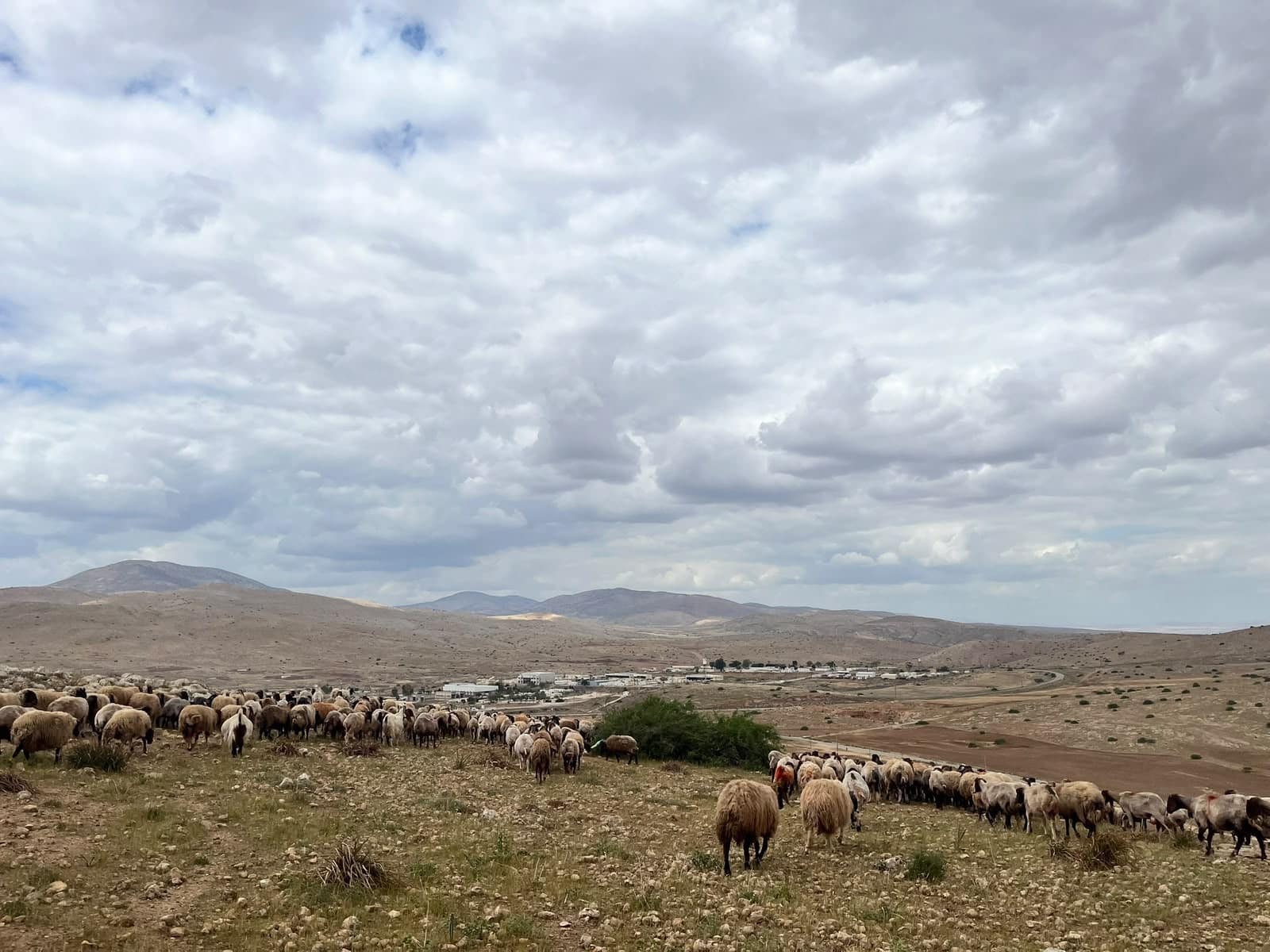
Sheep grazing on the hills, Khirbet Samra
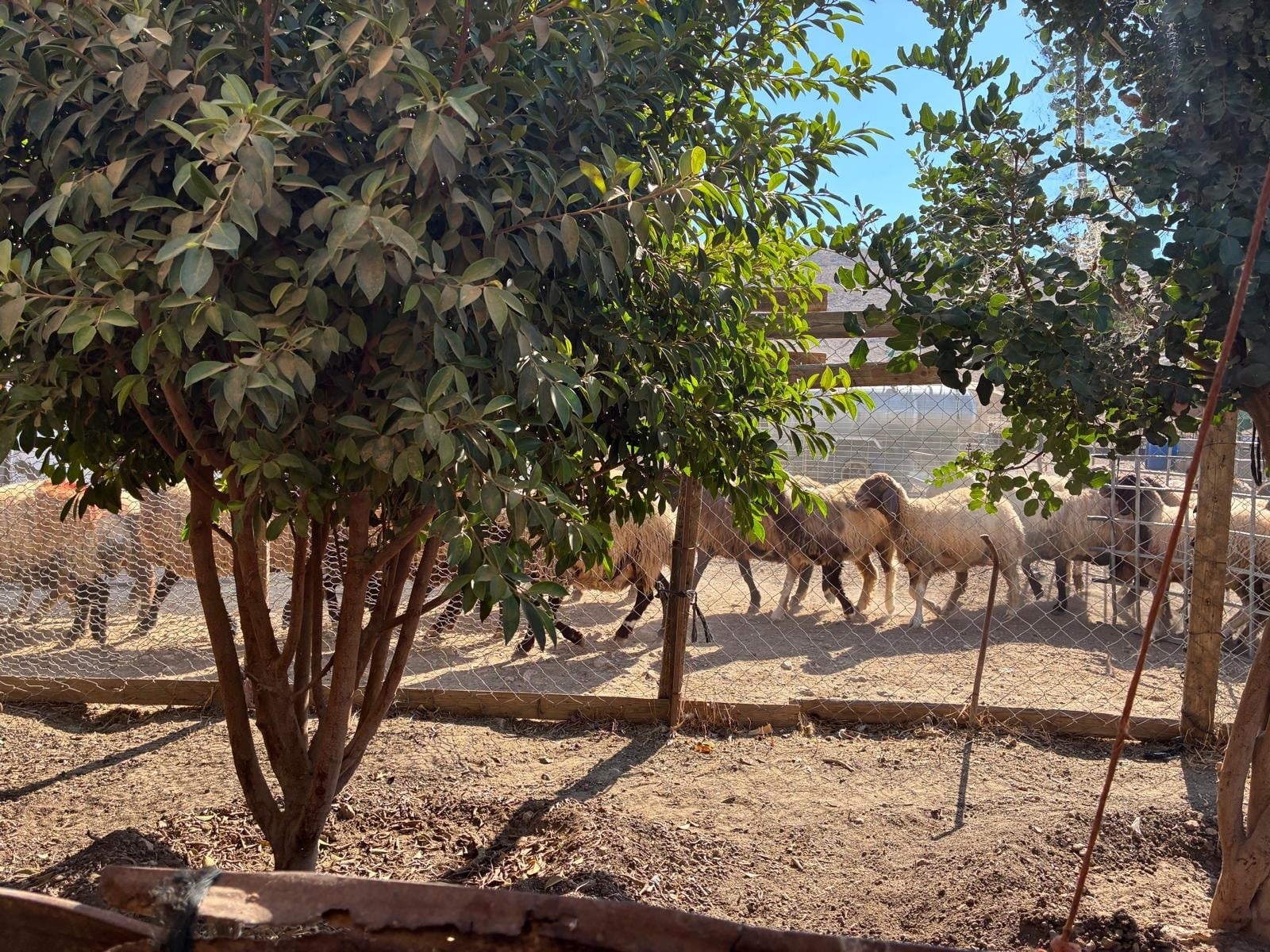
Sheep, Khirbet Samra

Bouquet of flowers made by Ayman’s daughter with flowers near their home, Khirbet Samra
Take action
1. Send this blog to your elected representative and ask them to raise the issue of forced displacement of Palestinian communities in Khirbet Samra and in the wider occupied West Bank in Parliament.
What does international law say?